
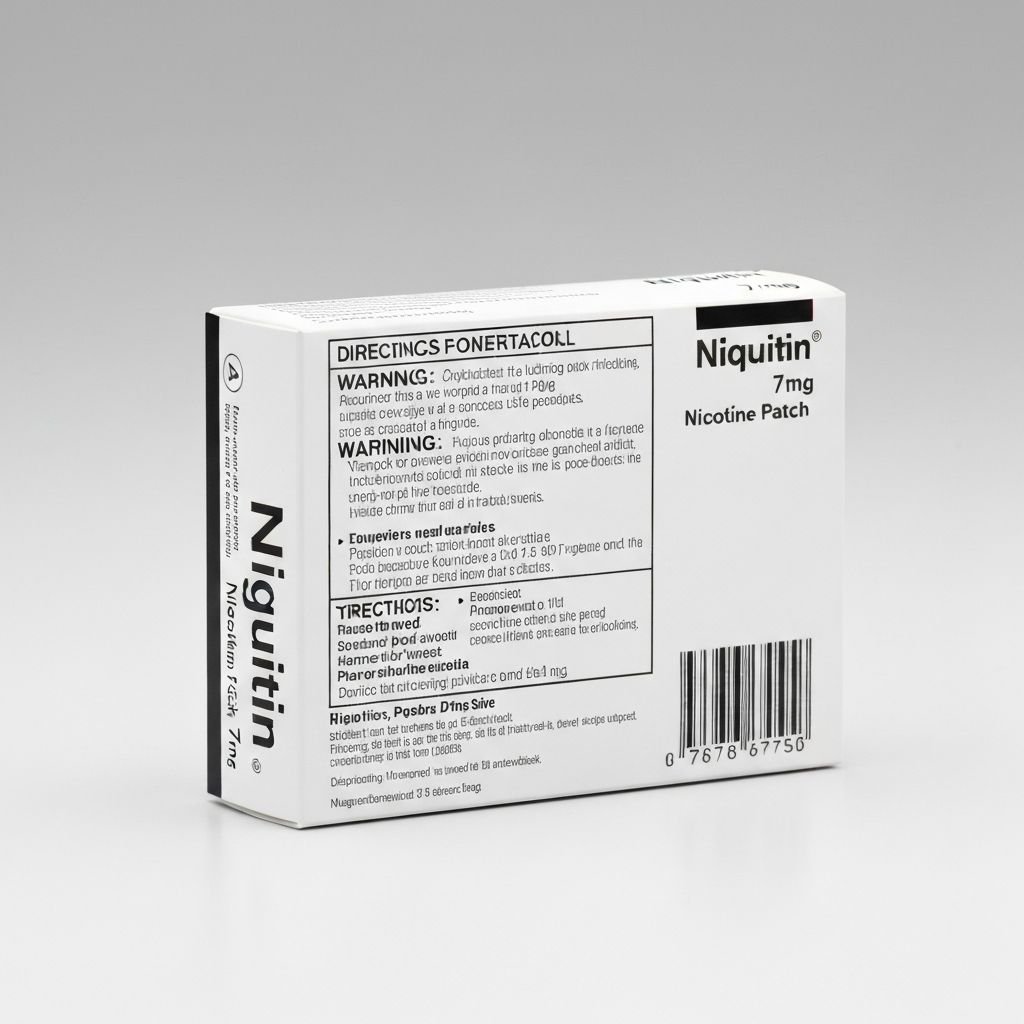
Nicotine Patches 7mg
$230.00
Nicotine replacement therapy offers several potential advantages for people attempting to stop smoking:
-
Helps manage nicotine cravings.
-
Reduces common nicotine withdrawal symptoms.
-
Provides a smoke-free alternative to cigarettes.
Nicotine Patches 7mg: Uses, Benefits and Safety Information
Nicotine Patches 7mg are a form of nicotine replacement therapy (NRT) designed to help adults manage nicotine cravings and withdrawal symptoms when stopping smoking. These patches deliver a controlled amount of nicotine through the skin over a specified period, helping reduce the discomfort associated with quitting tobacco. As part of a structured smoking cessation programme, nicotine patches can support individuals working towards a smoke-free lifestyle.
What Are Nicotine Patches 7mg?
A 7mg nicotine patch is generally considered a lower-strength nicotine replacement option. It provides a measured dose of nicotine without exposing the user to the harmful chemicals produced by burning tobacco. Unlike cigarettes, nicotine patches do not involve inhaling smoke, tar or carbon monoxide.
Healthcare professionals may recommend this strength for individuals who require a lower nicotine dose, including some people transitioning from stronger patches. The appropriate strength depends on smoking history, nicotine dependence and individual health circumstances.
How Do Nicotine Patches Work?
Nicotine patches work by releasing nicotine gradually through the skin and into the bloodstream. This controlled delivery helps maintain nicotine levels throughout the day, reducing sudden cravings and withdrawal symptoms.
Unlike smoking, which delivers nicotine rapidly, patches provide a slower and more consistent release. They may help individuals manage irritability, restlessness and difficulty concentrating associated with nicotine withdrawal.
Benefits of Nicotine Replacement Therapy
Nicotine replacement therapy offers several potential advantages for people attempting to stop smoking:
-
Helps manage nicotine cravings.
-
Reduces common nicotine withdrawal symptoms.
-
Provides a smoke-free alternative to cigarettes.
-
Supports structured smoking cessation programmes.
-
May improve the likelihood of successfully quitting when used appropriately.
Possible Side Effects and Precautions
Some individuals may experience skin irritation, redness, itching, headaches, nausea, dizziness or sleep disturbances. Remove the patch and seek medical advice if significant reactions occur.
People with underlying cardiovascular conditions, those who are pregnant or breastfeeding, and individuals undergoing cancer treatment should consult a qualified healthcare professional before using nicotine replacement products.
Nicotine Patches and Cancer Prevention
Stopping tobacco use is one of the most important steps towards reducing the risk of several tobacco-related cancers, including lung, mouth and throat cancers. Although nicotine patches are not cancer treatments, they can form part of a medically guided smoking cessation strategy.
| Strength | 30 Tablets |
|---|
Reviews
There are no reviews yet.